Food
There is no doubt that climate change will affect food supply. Without going into the minute details, seasons will vary and become unpredictable and rainfall will alter dramatically – leading to mass crop failure. We will also lose some of our pollinating insects.
When people are hungry, things can get ugly pretty quickly. Hopefully the Otways can begin to transition into a place where households grow enough food for themselves with some left to share with the vulnerable. In an ideal situation, we’d also be growing bulk crops of grains and legumes to share with the whole population.
You can start by doing the following:
- composting your food scraps or feeding them to nearby chickens (putting food scraps into landfill creates methane, which is 20x more potent that carbon dioxide in terms of global warming effects)
- consider getting chooks or ducks, they’re great for scraps as well as making fertiliser for the garden whilst providing eggs (and meat if you’re into it)
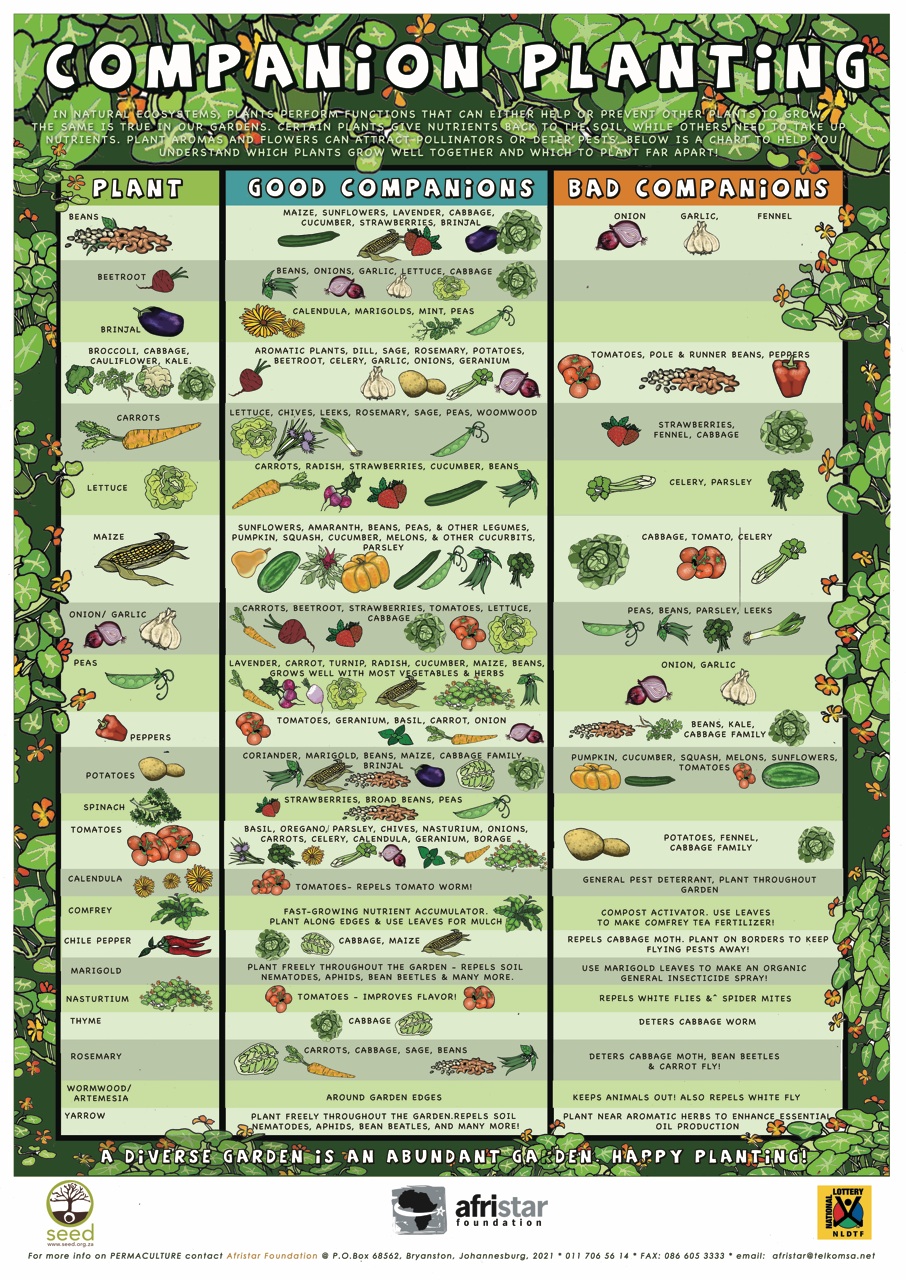
- learning to grow easy things and progressing from there (silverbeet, tomatoes, lettuce, pumpkins and zucchinis are good beginner crops, just make sure you plant at the right time!) ** have a look below for a planting guide edition #1**
- letting vegies go to seed so you can feed insects and also collect seeds for next season
- building a hot house to help you manage seasons slightly better and start seeds strongly in smaller pots
- installing water tanks to help you protect and grow your vegies
- pulling out noxious or invasive weeds whenever you see them (see the pdf below for which weeds are prevalent in the Otways)
- planting indigenous (or native) plants and trees for habitat for insects and birds
- learning the value and importance of good mulching
- sharing seeds/seedlings and knowledge with your neighbours
- planting out your verge with fruit trees or olive trees (this will give us a food oil supply) talk to keen gardeners to find out which ones do best here if you are unsure
- plant herbs and learn about their medicinal qualities
Here is a wonderful planting guide for the Otways by Jodie Lawson of Green Acre Farm. The Green Acre Farm is also a wealth of Otway gardening knowledge and produce, have a look at the website: http://www.greenacrefarm.com.au/about
Otway Coastal Weeds Brochure:
Revegetation is also important to help capture and store carbon as well as attract rain, provide habitat, increase cooling, reduce water runoff and many other things. If you have empty or tired land, consider approaching Landcare to help with revegetation. Even if you only have a small spot in your yard, every little bit of vegetation can help – preferably Indigenous…or native Australian, try to avoid European plants.
To choose indigenous plants to grow in the Otways, especially salty spots, have a look at this great nursery (I’ve attached their suggested lists of plant species but they have way more info on their website). The Barham Valley Nursery also has great plants and advice.
http://otwaygreening.com.au/index.html
Food storage is something to think and learn about. Here is a booklet I have come across from Utah State University that is a good starting point:
I have also made a document explaining how to save your own seeds as it is a skill that helps with food security and selecting for vegetables that grow well in our climate. It’s only a first draft so if you have any suggestions, send them through!
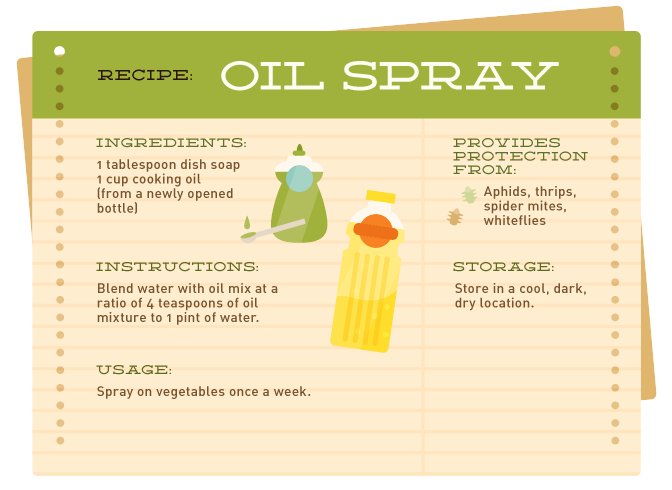
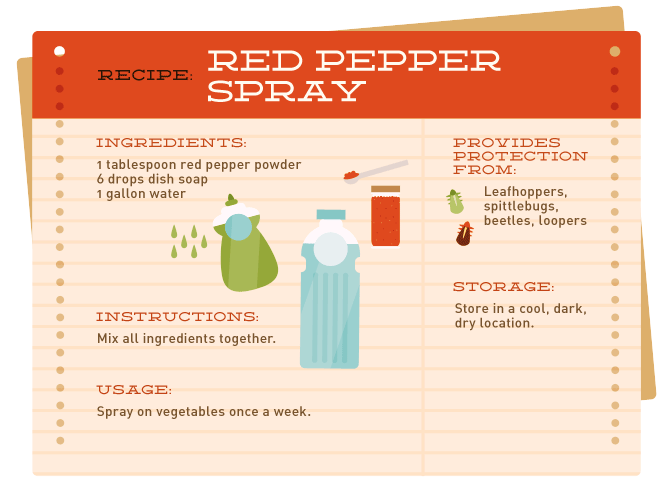
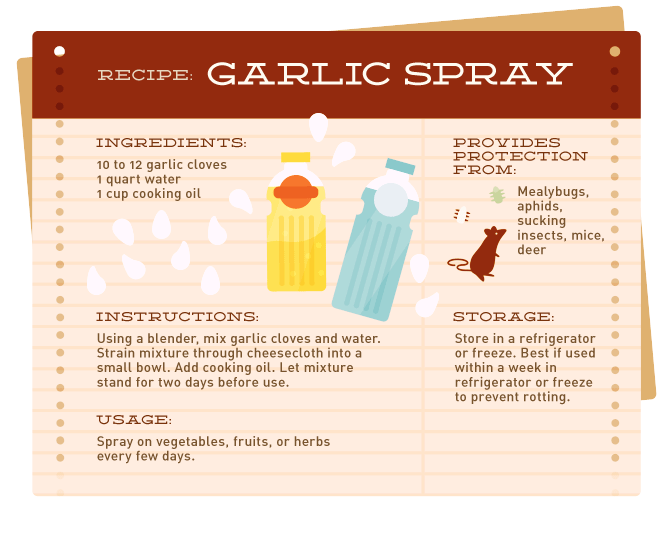
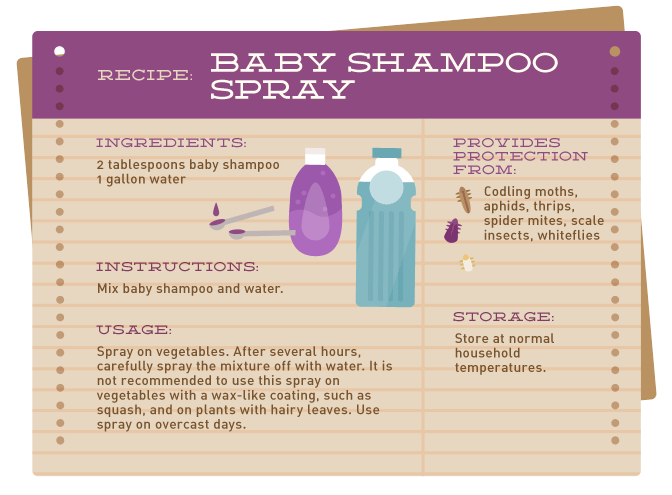
Here are some natural ways to create pesticides as well!
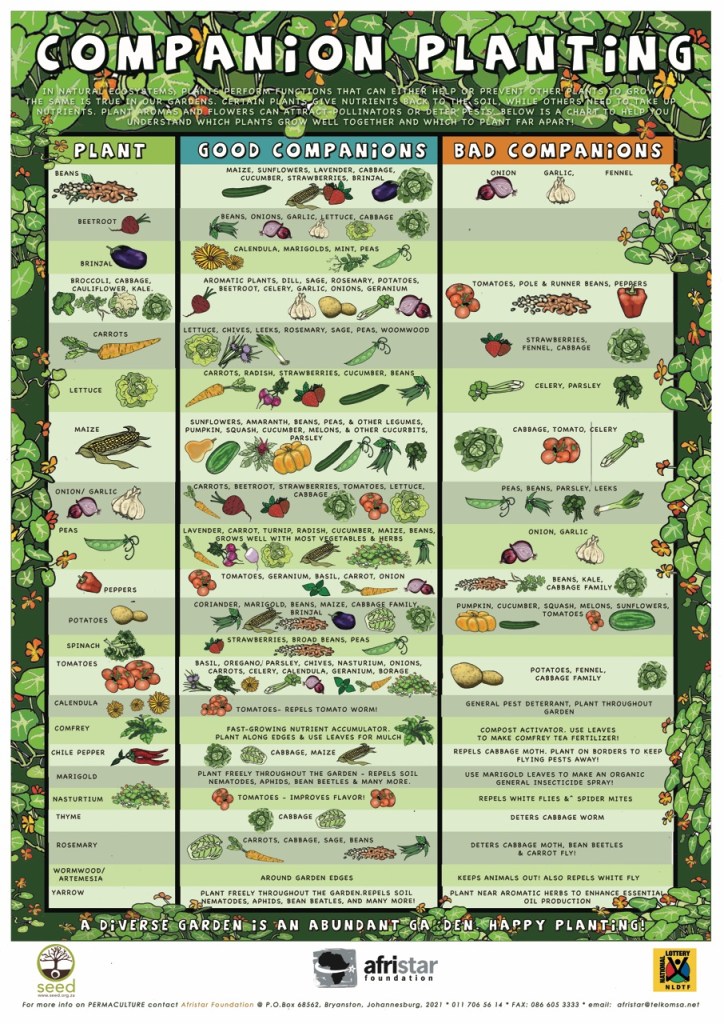
Companion Planting
 Otways Climate Adaptation