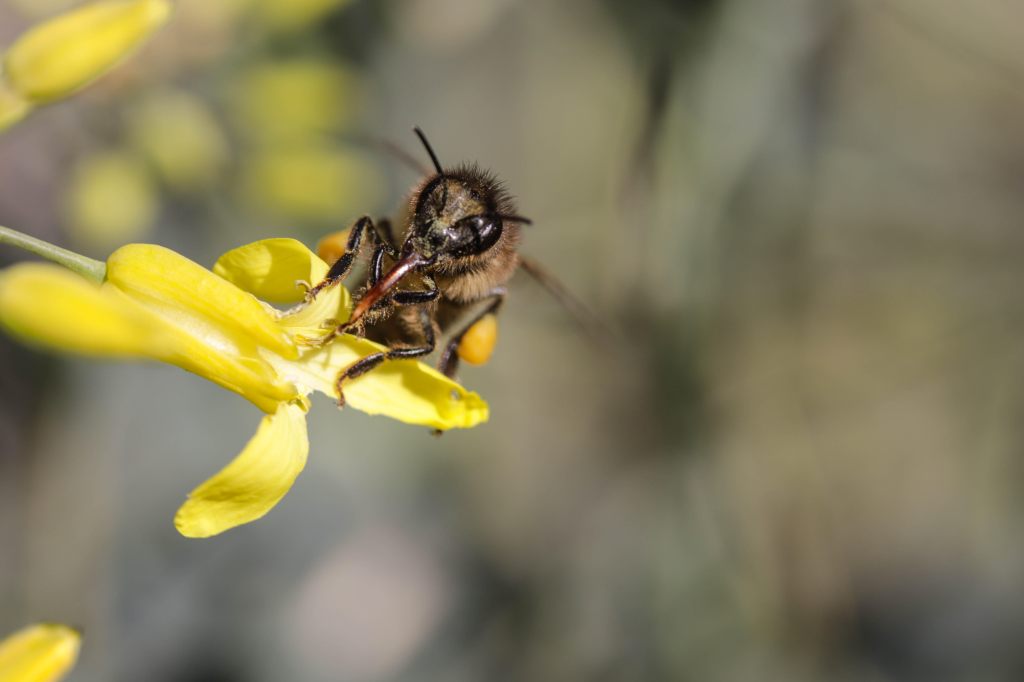
An amazing hobby and there are growing numbers of beekeepers and bee lovers in the Otways! 🐝💚 Even if you don’t want to own a hive, you can help all pollinators by planting flowering plants in your garden or pots and let all vegetables go to seed at the end of a growing season. Avoiding synthetic pesticides/insecticides is also helpful.
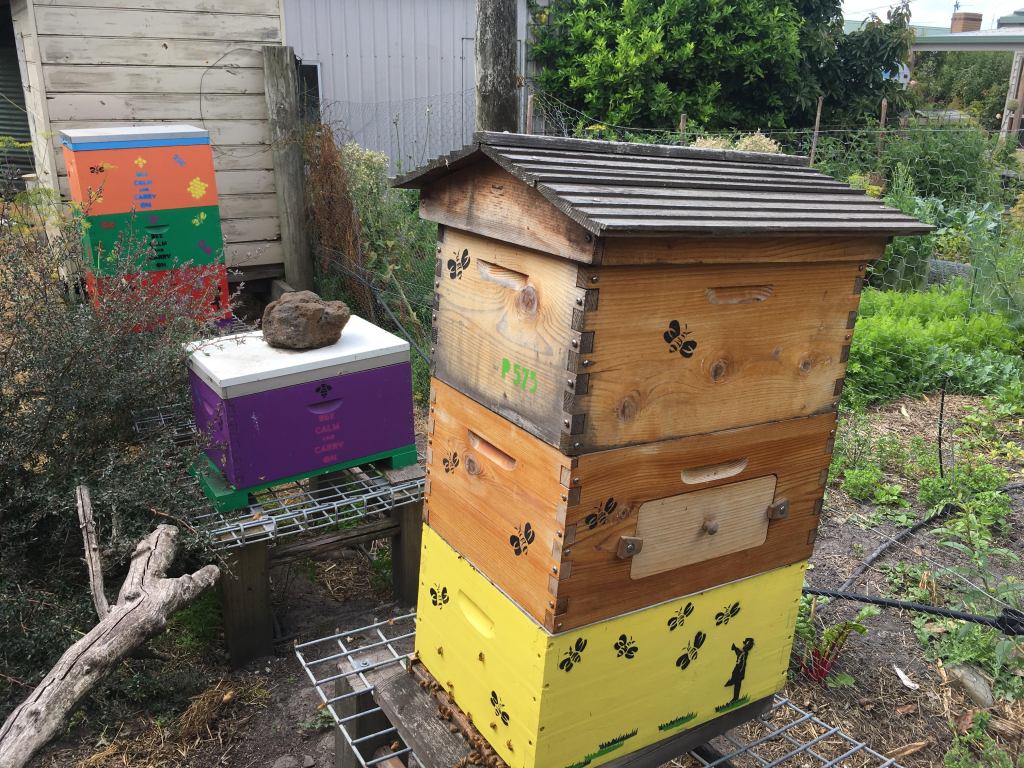
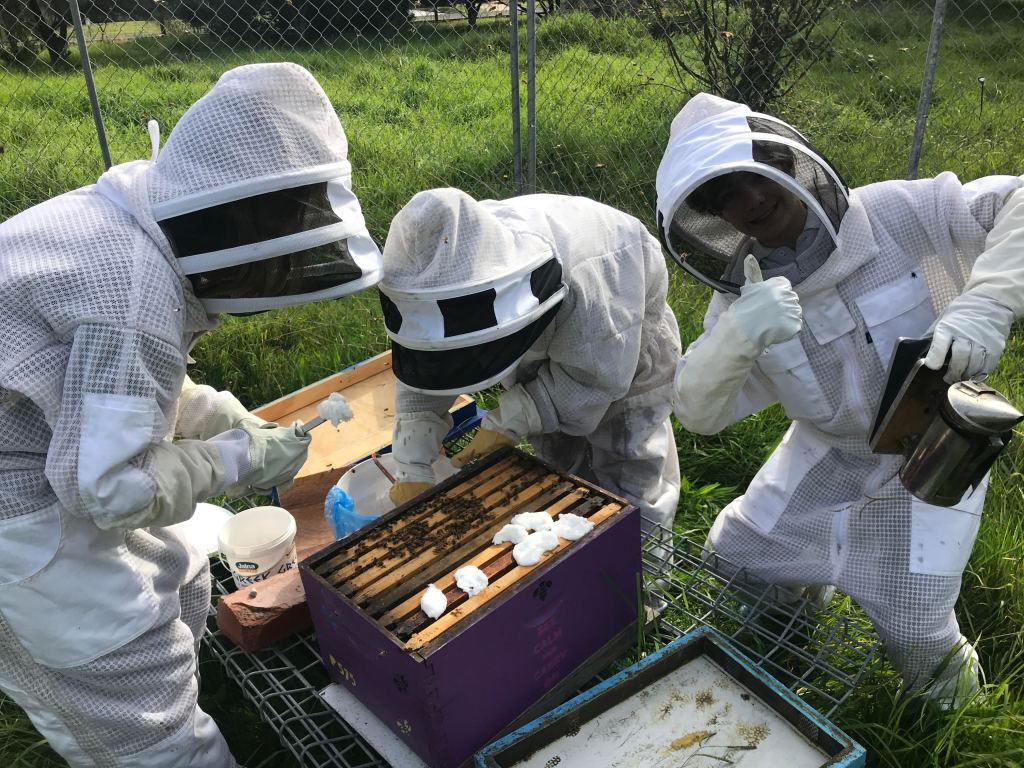

If you are interested in running a hive have a chat to a beekeeper and tag along when they are inspecting a hive to learn – there are also some excellent classes you can go to (I went to several) run by Melbourne based bee experts Ben (Ben’s Bees) or Benedict (The Practical Beekeeper)…yes a lot of the big beekeepers in Victoria seem to start with the letter B, it’s quite amusing!
Our local landcare chapter also has a new beekeeping club, you can register to receive their emails with Kel Needham kel.needham @ bigpond.com (remove the spaces). They are building up a resource kit, such as harvesting tools for the community to share.
There are many hive types to choose from, the most common an financially affordable being the Langstroth (or the Warre), but some people also like the Flow hive – an amazing Aussie invention! The only drawback is that they don’t flow so well in our cold weather.
Personally I’d suggest starting with a Langstroth set up – they can be bought fairly locally from Meleebee Farm (our side of Geelong), Stan is really helpful. Otherwise buy things online via the places mentioned above, or Bob’s Bees or Redpaths.
Beginner equipment list:
- beekeeping suit (ventilated is the best as you get really hot!)
- smoker
- hive tool (J…or Australian)
- gloves
- Langstroth boxes (at least 3)
- 8 frames per box (so at least 24)
- framing wire and nails
- wax sheets
- hive base
- hive roof (preferably pitched roof as we have a lot of rain and it reduces water seeping in)
- some empty yoghurt buckets to collect excess wax in during inspections
Where to get bees from? (this is best done in spring)
- The easiest way is to catch a swarm, a beekeeper will be able to help you do this in spring, but the drawback is that you don’t know what the temperament of the bees will be like until they settle in.
- Organise to take a ‘split’ from a beekeeper
- Order a ‘nuc’ hive from a beekeeper, such as Ben above, these will be guaranteed as calm bees.
A few tips for setting up your hives in the Otways:
- face your hives north, ideally, and out of prevailing winds where possible
- have them slightly off the ground either on bricks or little platforms, but not too high or you will find lifting heavy boxes above shoulder height could hurt your back
- if you have them in your yard near a neighbouring fence, you may have to increase the height of the fence, there are council regulations about this
- register your hives, it’s free and helps with biosecurity, Australia is the only place on earth not to have the devastating Varroa mite….register here
Keep reading as much as you can about beekeeping, there are always things to learn and lots of great books for Australian beekeeping.
 Otways Climate Adaptation